
SkillMitra
connecting informal workers to accessible skills and employment opportunities.
Team
Disha Singh Arora
Farhan Masud
Sreejesh Nair
Tanmay Awasthi
My Role
User Research
UI Design
Documentation
Achievement
Entry - ServDes Service Design Comptition 2025, IIT Hyderabad
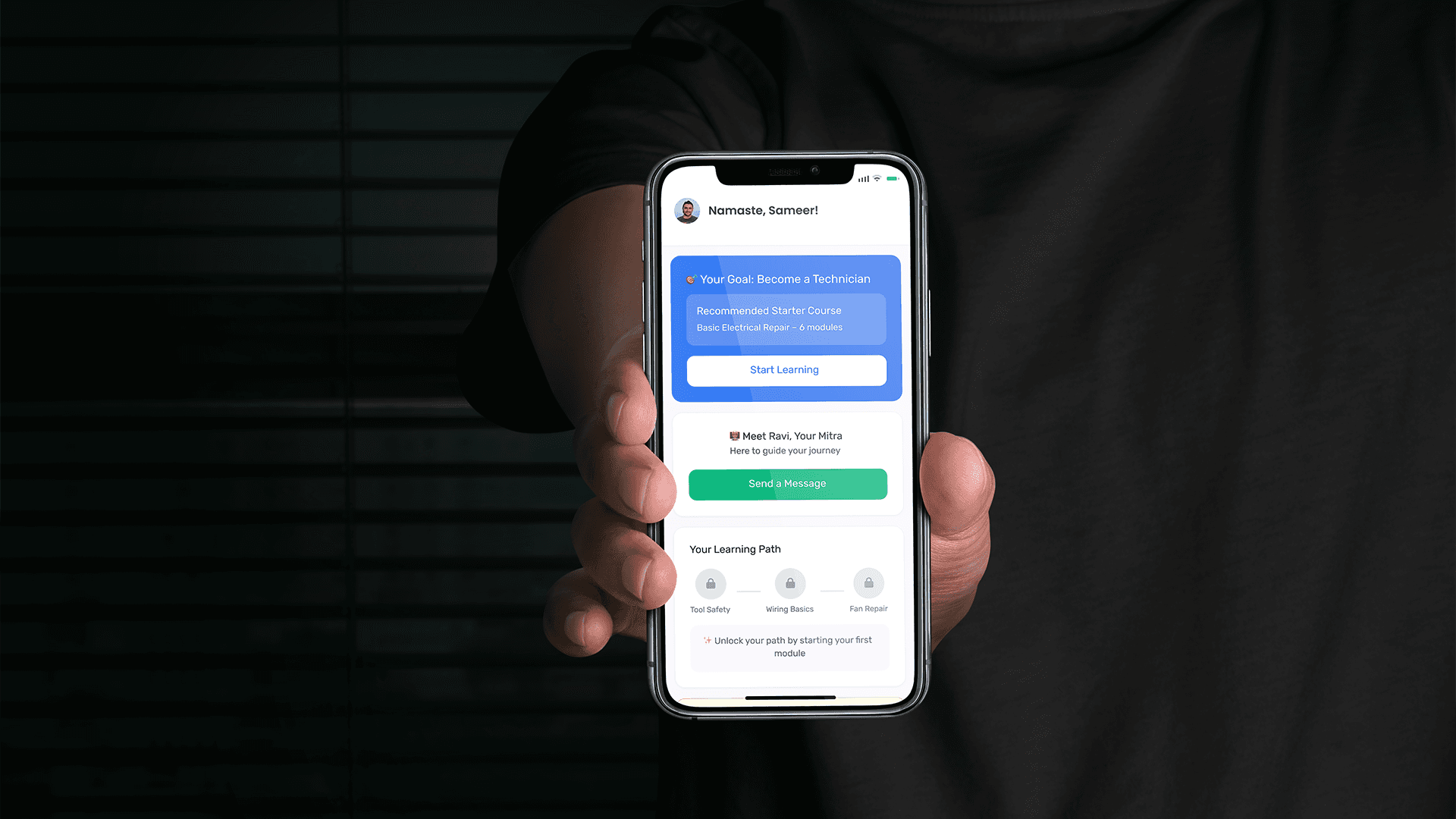
India’s informal workforce, especially gig and migrant workers, face a fragmented, uncertain career path. They often juggle long hours, unstable income, and limited access to skill development, with little visibility into long-term growth.
to design a service that supports gig workers (e.g., delivery personnel, drivers, freelance laborers) and migrant workers in transitioning to more stable, higher-paying, or skilled job roles
* as per NITI Aayog and CII ETS India Skill Report
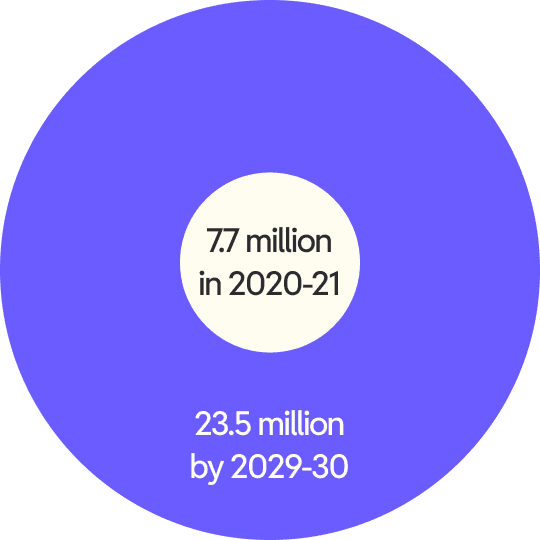
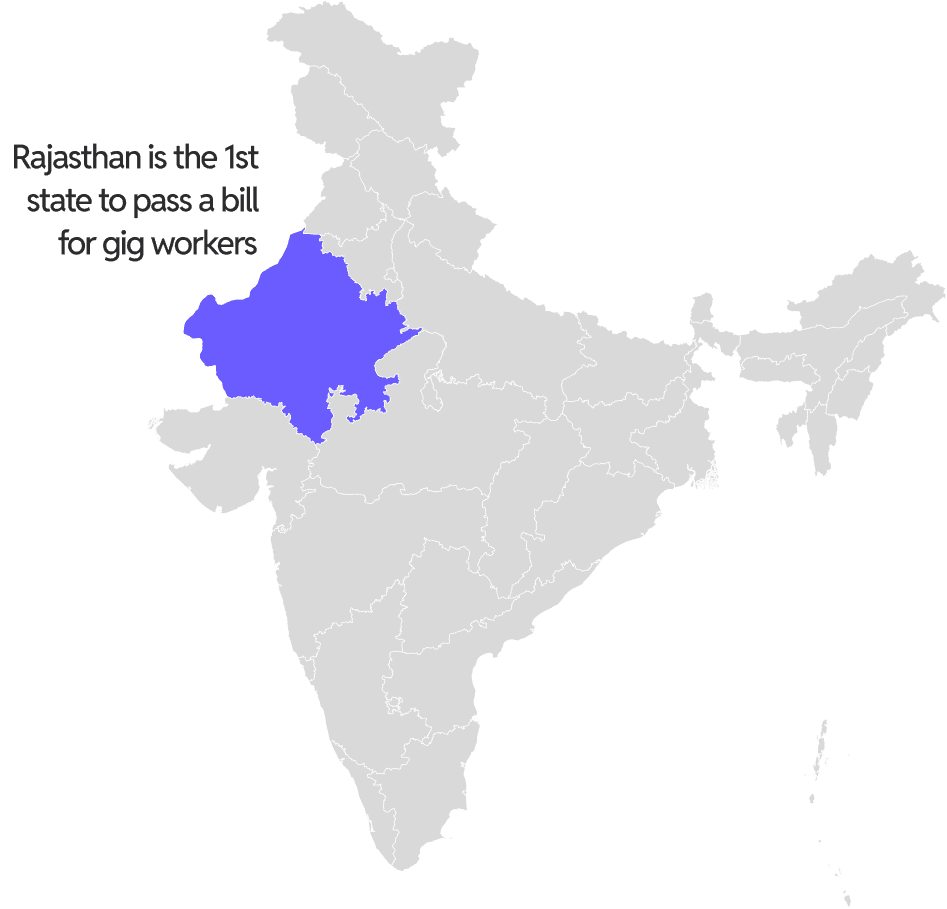

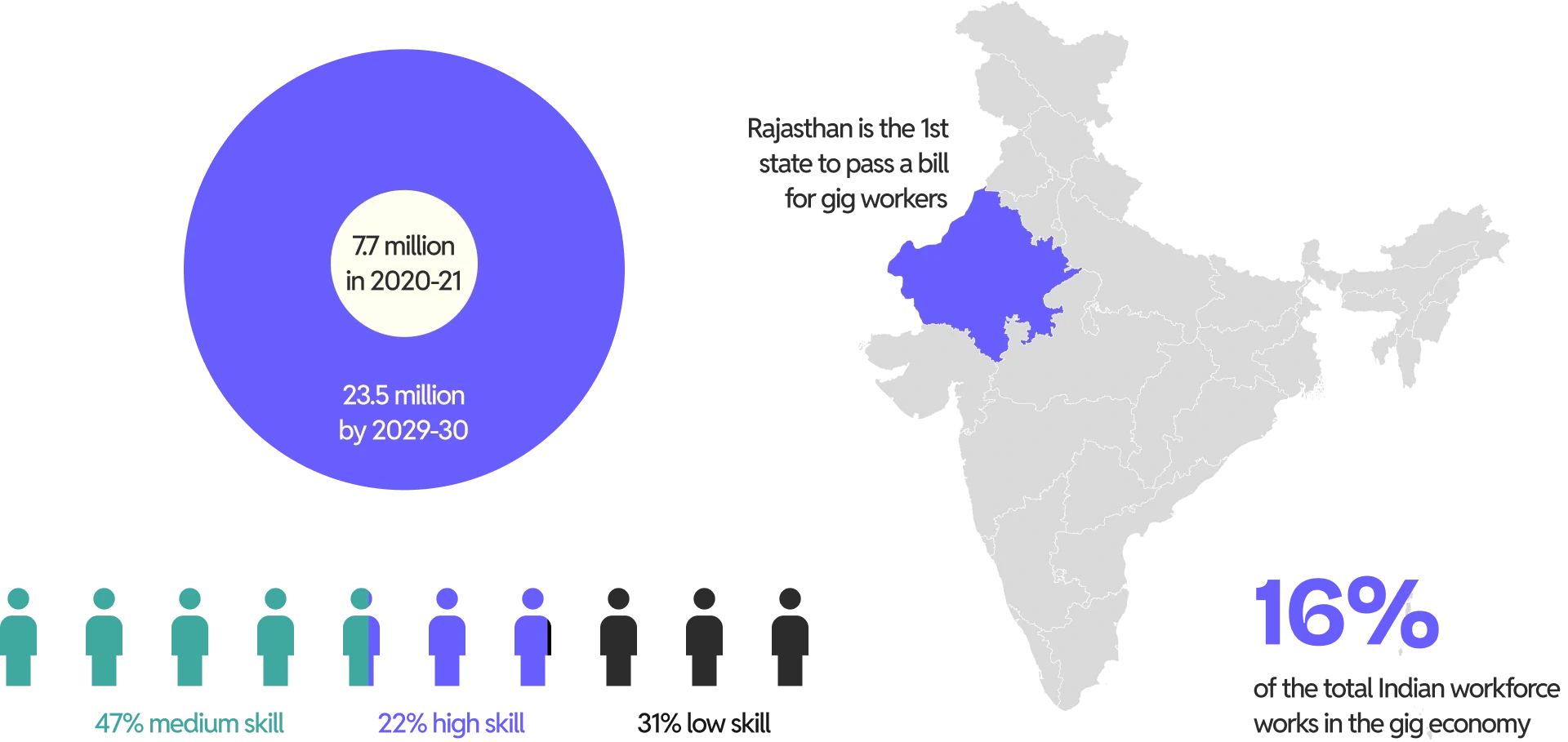

51%
gig workers are migrant workers
Provides vocational training, short-term skilling, and certifications
Includes Recognition of Prior Learning (RPL) and job placement support
Implemented through ITIs, private training partners, and state missions
National database for unorganized workers
Assigns Universal Account Numbers (UANs) for benefit tracking
Intended to link workers to social security schemes
67%
informal workers show willingness to upskill
80%
earn less than Rs. 15,000 a month
<25%
are able to find a job after certification through PMKVY
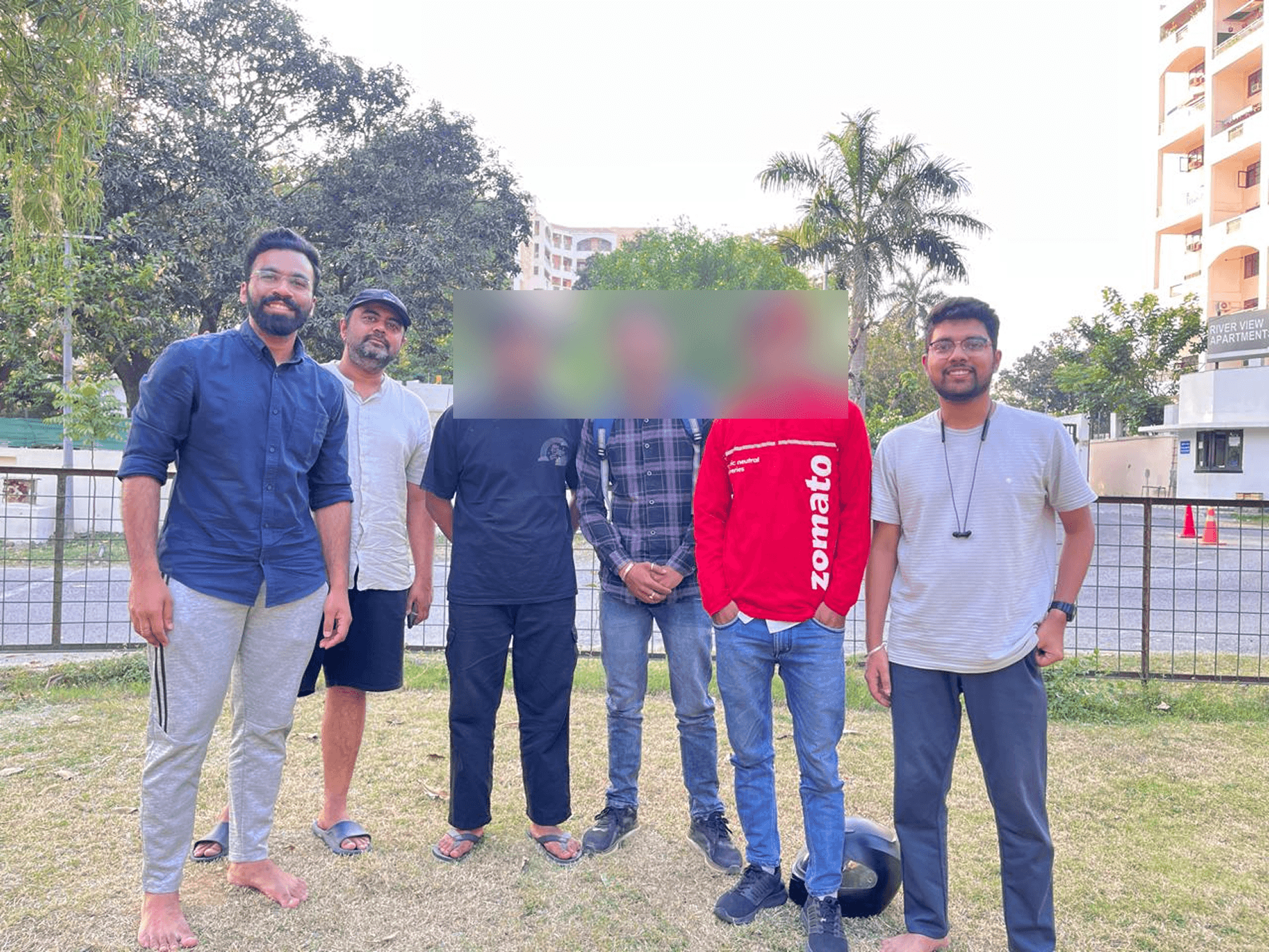
- lost his job during the pandemic


gig work provides freedom but I can't spare anytime for learning in the day
- college student working part time as a delivery boy
PMKVY is for 10th pass students to upskill
- training institute owner



flexibility
due to flexible working hours of their gig work, workers want to learn at their own pace as per their schedule
offline
offline learning over online learning so they can have fixed time in a day for learning and upskilling
certified trainers
the training institutes face shortages in certified trainers who can teach the students
time and money
most gig workers face financial instability and poor time management to upskill
community
peer groups or community support plays a crucial role in long-term learning and upskilling
language
gig workers who are not well educated prefer learning in their local language
mentorship as a bridge, not just content
Career mentors as navigators
Peer-to-peer support via SkillMitra community
Regular check-ins to build motivation and direction
flexible skilling for time-poor workers
Modular, shift-based training (evening or weekend batches)
Offline/online hybrid for accessibility
Certified executive programs
recognition of informal skills
Recognition of Prior Learning (RPL) programs
Fast-track assessments with local validation
Certifications that convert lived experience into credibility
placement support, not just learning
Verified employer network (especially for entry-level tech and services)
Job-matching based on skill + availability
Ongoing support after placement

discover
explore available opportunities and resources

get matched
connect with a mentor for guidance

enrol
participate in shift based training program

get certified
achieve certification to validate skills

job matching
secure a job placement aligned with the skills
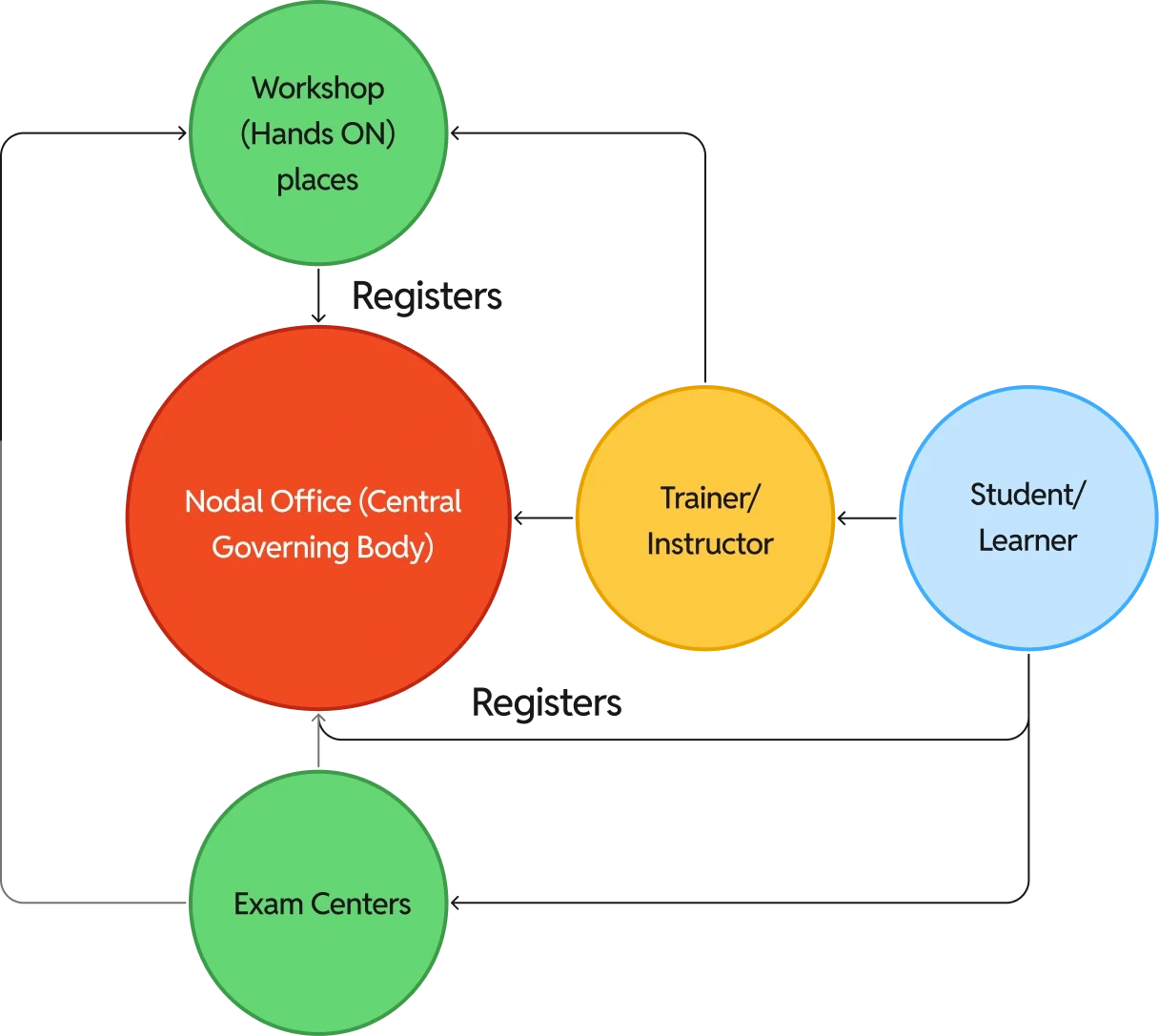
the nodal office:
records enrollment
conducts evaluation/exam
provides certificate
supervises the courses offered
resolves conflicts
utilizing existing infrastructure
schools, colleges, shops, companies and training institutes to provide the infrastructure for workshops and exam centers for evaluation (post certified inspection of the infrastructure)
gig model
learners can schedule time as per their convenience, just like the way they do in their platform gig work
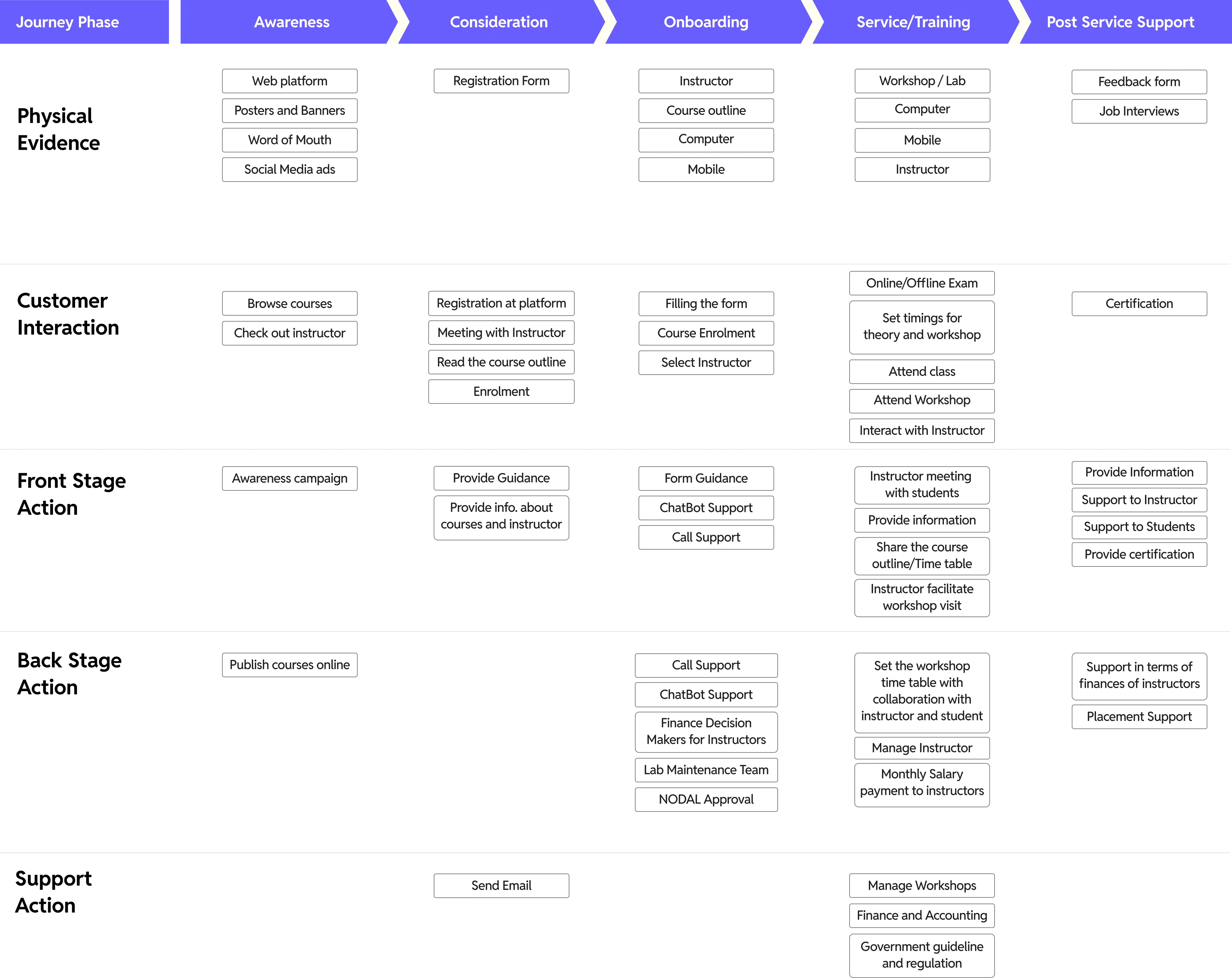
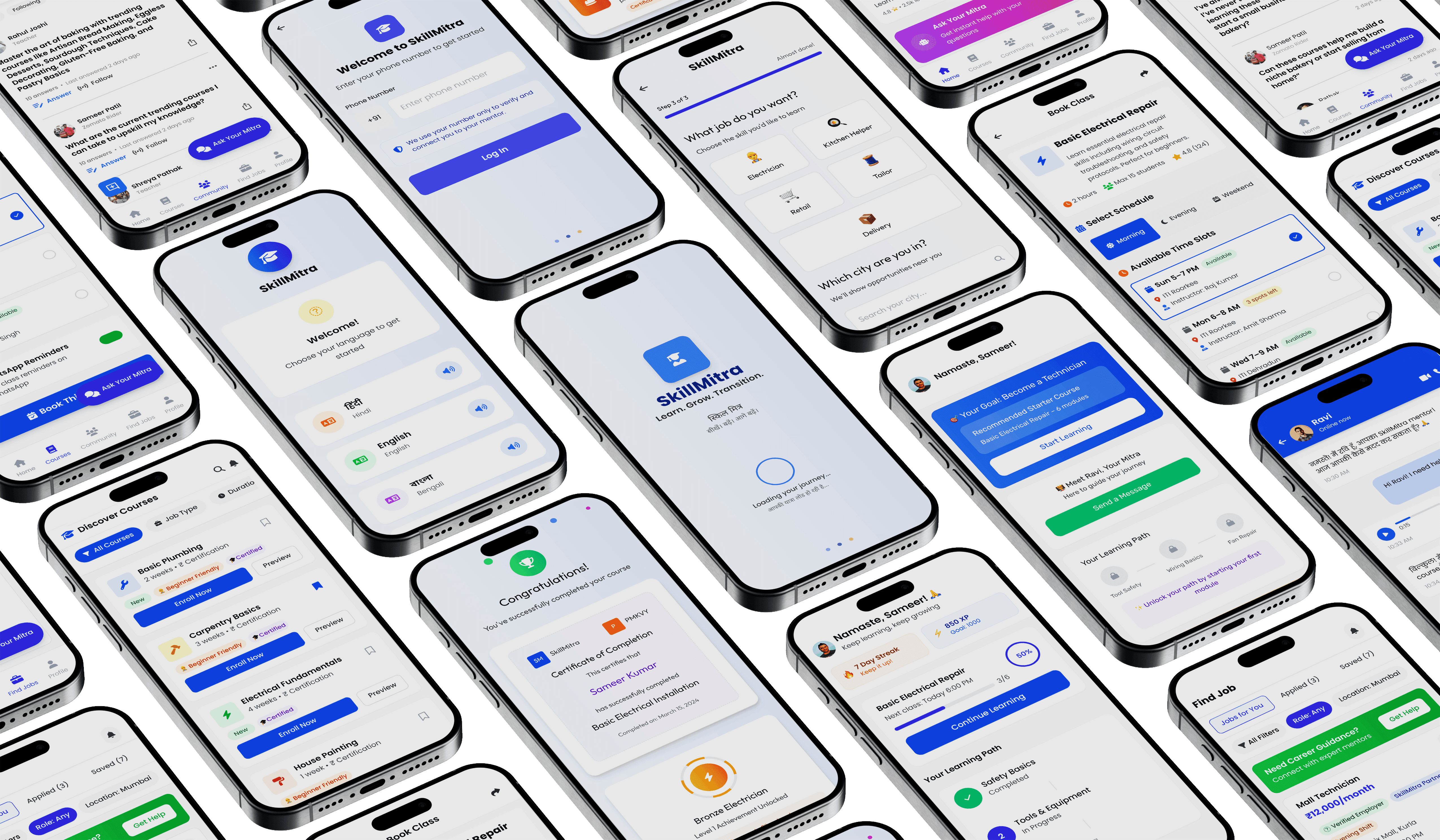
the solution looked very simple at the beginning, but upon mapping out the service we came to realize how complex systems are in real, this solution might not be able to address the real need at a grass root level.
change needs to happen from the policy level, following a top-down approach.
community support makes a lot of difference in the lives of gig and migrant workers and is definitely the way forward to upskill them.
next project
see how we designed a resilient payment experiences for failures in cashless transactions